





WEEE directive
The Waste Electrical and Electronic Equipment Directive (WEEE Directive) is a European Community Directive (2012/19/EU), that deals with waste electrical and electronic equipment (WEEE). It became European Law in February 2003 at the same time as the RoHS Directive (2011/65/EU).
The Directive set collection, recycling and recovery targets for electrical goods whilst the RoHS Directive set restrictions on the material content of new electronic equipment on the market.
The Waste Electric and Electronic Equipment (WEEE) Regulations 2013 became law in the UK on the 1st of January 2014 and replaced the 2006 Regulations. Those Regulations transposed the main provisions of Directive 2012/19/EU on WEEE which recast the previous Directive 2002/96/EC. The scope of the Regulations were extended in January 2019 to cover further categories of electric and electronic equipment (EEE).
The WEEE Directive aims to contribute to sustainable production and consumption by;
- preventing the creation of WEEE as a first priority.
- contributing to the efficient use of resources and the retrieval of secondary raw materials through re-use, recycling and other forms of recovery.
- improving the environmental performance of everyone involved in the life cycle of EEE.
In order to achieve these objectives, the Directive
- requires the separate collection and proper treatment of WEEE and sets targets for their collection as well as for their recovery and recycling.
- helps European countries fight illegal waste exports more effectively by making it harder for exporters to disguise illegal shipments of WEEE.
- reduces the administrative burden by calling for the harmonisation of national EEE registers and of the reporting format.
[edit] Related articles on Designing Buildings
- Articles about electricity.
- Consumer electronics.
- Consumer unit.
- ECA articles.
- Electrical appliance.
- Electrical equipment.
- Electrical installation.
- Electrical safety.
- Electrical system.
- Electrical and electronic equipment
- End of life potential.
- Environmental impact assessment EIA.
- Environmental plan for building design and construction.
- Planned obsolescence.
- Plastic and recycling.
- Recycling explained.
- Types of plastic in construction.
- Waste and Resources Action Programme WRAP.
- Waste hierarchy.
- Waste management plan for England.
Featured articles
Check out some of the best features and news from Designing Buildings as well as key stories from around the web.

Why construction can't afford to ignore the skills gap.
Building Safety Regulator, 19 August

Gill Kernick appointed Independent Chair of Residents’ Panel.
Connecting knowledge, technology and conservation
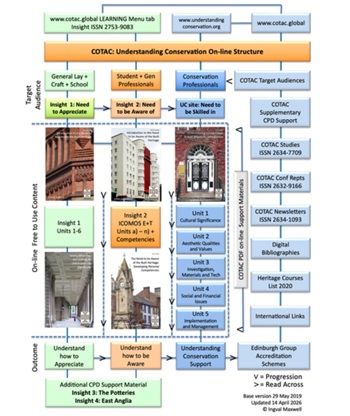
Building competence for the future of built heritage.
Building Regulations and Building Safety Act
CIOB publishes free advice for non-domestic clients.

Building Safety Newsletter from MHCLG.
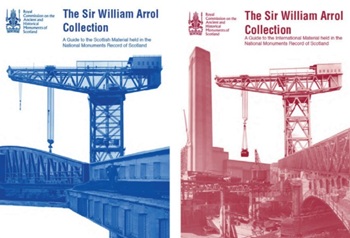
An extraordinary record of steel engineering worldwide.

Households living near new pylons to save on bills.

ECA warns growth must not outpace grid capacity or skills.
The role of the client and decision making

CIOB response to built environment professions call for evidence.
Construction's sustainability reporting revolution
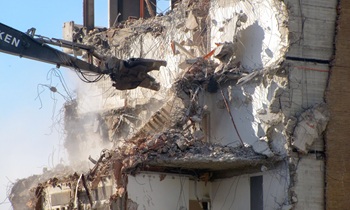
Tracking upfront embodied carbon with digital tools.
ECA welcomes procurement reforms

Public spending must back British jobs and skills.
Campaigning for Edinburgh: the Cockburn Association 1875-2049

The role of the civic voice in protecting character. Book review.